
My House Was Damaged by Fire. What Now?

According to the National Fire Protection Association, more than 350,000 U.S. homes were damaged by fires in 2016, resulting in $5.7 billion in damages. The pain and destruction caused by a house fire can be traumatic. In addition to the loss of priceless personal belongings, a typical house fire causes more than $18,000 in damages. If your home was recently damaged by fire, use these five steps to help you deal with the situation and move on with your life. Practice Good Safety First, consider any safety issues. Once the fire is out, don’t enter your home until the fire department gives you permission. Even then, you may only be allowed to enter briefly to gather vital documents and personal belongings. The damage you see may be nothing compared to what’s hidden. Fire can destroy hidden structural elements in a way that can be difficult to detect. Load-bearing elements, such as overhead beams, corners, supporting studs, and foundation pillars, may have been weakened by the fire—even if it was minor or limited to one part of the house. Contact Insurance Immediately If your Dallas home has been damaged by a fire, you should immediately contact your insurance provider to discuss your coverage. Most home insurance policies will cover the value of the home as it was before the fire. If your home has been totally destroyed, your insurance company may settle your claim by paying the policy amount plus the value of the contents in your home. Your insurance company will send an adjuster to your home to evaluate the damage; however, the adjuster is unlikely to perform an inspection that takes into account all of the areas affected. To make sure you are being appropriately compensated for your loss, we recommend getting inspections by licensed professionals outside of the insurance company before agreeing to any settlements. During every stage of the inspection process, you will want to maintain open communications with your insurance agent. Assess the Damages Once the emergency is over, get a thorough home inspection from a licensed professional. Even if the damage seems minor, the fire may have caused hidden problems that only an experienced inspector can find. It’s important to act quickly to minimize further damage to your house. You may need to pump out water, cover doors, windows, and other openings to prevent weather damage, or put up a temporary fence to minimize the chance of theft or vandalism. Do not live in the property until it has been thoroughly inspected and is determined to be safe. It is unlikely that a single inspector will be able to conduct all aspects of your home investigation. Most likely, you will require the services of a variety of specialists, including an industrial hygienist, a structural engineer, an electrician, a plumber, and more. A thorough home inspection should evaluate any area of the home that could be damaged by fire, smoke, heat, or moisture, as well as areas susceptible to mold. Pipes and plumbing fixtures Air quality Windows and doors Electrical components Roof and support structures Walls and flooring Heating/AC Mechanical systems Collect Repair Bids Once you know the true extent of the damage, you can start gathering bids for the repairs and determine the total cost to get your house fixed and back into livable condition. After evaluating all of the costs and time it will take to make everything right, you’ll be in a better position to judge whether you want to undertake the repairs yourself or sell the house as-is. Decide Your Next Steps After you have all of the information about repairs and costs, you have three options to consider. You can make the repairs and continue living in it, repair the house and sell it, or sell the house as-is. If your house has suffered minor fire damage, it may be worth the time and energy to fix it, especially if you love the house. However, selling your house may be the best option if the damage is severe, you don’t have homeowners insurance, or you don’t have enough insurance to cover the damages. Sell My Fire-Damaged House In many cases, selling your house as-is may be the easiest solution. The greatest benefit to selling a fire-damaged house is more than just the money. It’s also the peace of mind that comes from putting the fire behind you, moving on, and creating a fresh start. You won’t have to deal with hiring contractors, managing the process, or living through construction. We understand how overwhelming it is to sell a fire-damaged home and promise to make selling your fire-damaged house as easy as possible. We will walk you through your various options and provide guidance wherever possible. If you decide to sell, we’ll purchase your house quickly so you can move on and re-establish your life. Contact us today for a free consultation.
5 Pro Tips For Selling A House That Needs Repairs

Should you fix up your house or sell it as-is? This is one of those questions where the answer depends on a variety of factors. What budget are you working with? How much time can you allocate? Will it be bothersome to your living environment while repairs are being made? If you are currently facing this dilemma, this post is for you! Most retail buyers do not want to buy a house that needs repairs because they can’t afford the down payment in addition to expensive repairs before moving in. They want a house that’s move-in ready! But is it worth taking on all the repairs yourself? Below are five tips to help you understand what goes into home repairs so you can determine if you’re up for the challenge. Tip 1: Do Your Homework Don’t go into this endeavor blind. It is important to do a lot of research before you begin so you don’t waste time and energy or cost yourself a pretty penny with little to no resulting benefit when you’re ready to sell. Weigh The Costs And Benefits Of Each Improvement Before you even begin to think about the details, ask yourself a few questions. What’s the condition of competing homes for sale? Is it a hot, cold, or neutral real estate market? What’s the likelihood of a return on my investment? It is important to weigh the cost of the proposed improvements against the home’s market value after the repairs or upgrades are completed. Such an improvement might not be warranted if it won’t lead to a higher price when you put the home on the market. Beware of Over Improving Many sellers put way too much money into fixing up their homes before listing them for sale. They repair flaws that a buyer may not ever notice or just won’t pay extra for. Learn The Current Housing Market Consider visiting other houses for sale in the neighborhood. Note the condition and amenities and compare them to yours. These homes are your competition and you want to make sure your home meets the standards for your neighborhood. You may not need to buy designer appliances and replace the cabinets to bring your house to full market value but a minor kitchen remodel might be a good investment. Tip 2: Determine How Much Money You Can Afford to Spend Typically, there is a long list of updates you want to make to your house. However, you only have so much money and time to make repairs. So, what should you fix? That depends on how much money you have to spend. There are 11 different options when it comes to paying for home renovations. Personal cash Refinance your mortgage Home equity line of credit Home equity loan Credit cards FHA limited 203(k) loan FHA title 1 loan Reverse mortgage Contractor Financing Take time to research each of these options and beware of sinking further into debt unless you feel confident you can get the job done right. Keep in mind that if a renovation is not needed, then it’s better to keep your equity! Tip 3: Choose The Repairs You Plan To Make Your first step is to know what problems are present. Make a list of everything that’s defective, broken, or worn out. If you’re not sure what needs to be fixed then you might consider hiring an inspector to provide you with a list of everything you need to have repaired or replaced. Repair the Critical Items in Your House Buyers might wonder what else in the home has been neglected if they spot problems or malfunctioning systems as they tour your home. Remember that not all repairs are going to be astronomical in terms of cost or the amount of time that you are spending on them. Minimum improvements you might want to consider making before selling your home include: Patch holes or cracks in the walls and ceilings Replace broken appliances and HVAC systems Fix leaky faucets or other plumbing issues Replace cracked or broken windows Repair the roof or foundation if necessary. Fix any code violations Replace worn or stained carpeting Repaint walls with neutral paint Replace old drapes and window coverings. Buyers worry about getting into a property that has large repairs awaiting them, so they will likely hire an inspector just as you did. If big repairs are needed, you can expect that the buyers will negotiate g for you to be responsible for the repairs. They may also ask to lower the price significantly, or simply back out of the deal altogether. Remodel the Entire House This is the option that will make the house sell faster and for more money. However, it is the most expensive and time consuming option and also the most risky. Remember that you want to market your house to the widest audience so if you opt for a large renovation, make sure to choose more neutral designs and don’t over improve for your neighborhood. Full remodels can take anywhere from 1-3 months or more depending on who is doing the repairs, the size of your house, the availability of money, and the schedule you are working with. Tip 4: DIY or Hire a Contractor? Now that you’ve decided what repairs to make, it’s time to figure out who will be managing the process. For smaller projects, you can save a lot of money and do it yourself (DIY). However, some repairs should be left to the pros. How you choose to handle the repairs depends on your skillset, the time you have available, and the amount of money you can spend. DIY Projects In some cases, you may be able to do the repairs on your own. Some repairs are very small and with a little focus and teamwork, you and your friends or family can make some great progress in just a weekend or two. There are a number of relatively low cost and easy ways to take care of the
6 House Repairs That Require Immediate Action
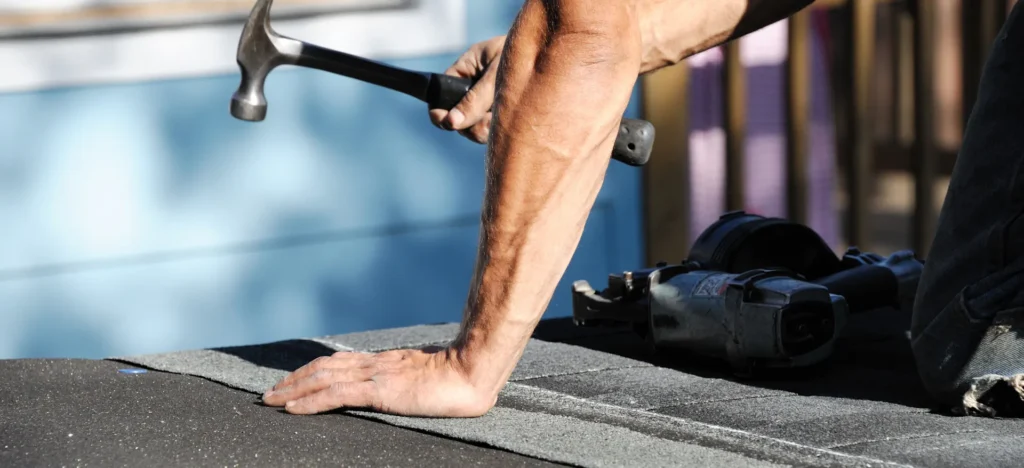
According to a recent survey, just 55 percent of Americans would handle a repair right away. What begins as a minor issue can quickly turn into a very expensive disaster if you put it off. As any homeowner can attest, your house is an investment that continuously requires more capital with unexpected home repairs continuing to pop up. These are some of the most important home repairs that need immediate attention: Foundation Issues Your home is only as strong as its foundation. Foundation issues create a risk to the safety of everyone in the house and should be treated as a top priority. Small problems with your home’s foundation will eventually turn into larger issues and only continue to become worse. Furthermore, foundation issues can lead to roof damage and leaking, structural issues, plumbing problems, water damage, mold and insect infestation, and much worse! Outdated Electrical System Most people don’t give much thought to what’s behind their walls. However, outdated or faulty electrical wiring is a safety hazard and can lead to fire risks. Home electrical problems contribute to an estimated 53,600 fires each year, according to the Electrical Safety Foundation International. These fires cause more than 500 deaths and 1,400 injuries, and account for more than $1.4 billion in property damage. Damaged Roofing If your roof is missing a number of shingles or beginning to sag in any area, fix it NOW. Your roof is among the most critical things to repair. Are there water spots on your ceiling? If so, it’s important to assess the leak and have it repaired immediately. Not doing so could result in mold growth, structure damage, electrical damage, water damage, and many more costly issues. Water Leaks & Plumbing Issues If you have any potential water damage, do not put off the repair! Unwanted water will wreak havoc on your house. Even a small leak that you’ve noticed is probably causing damage that you can’t see. And if it’s your plumbing that’s leaking, you’re potentially going to spend a lot more on your water bill every month until you’ve taken action, not to mention the other damage it might cause. Overgrown Trees Trees are a great addition to any yard, but just make sure they don’t grow too close to your house. Trees are very heavy and not taking care of your trees could very well contribute to a massive hole in your roof from falling branches. Additionally, tree roots can cause major foundation issues if they grow underneath the house and expand as they search for the nearest water source. Mold Infestations What starts as a mild or manageable infestation of mold can quickly spiral out of control and potentially put your entire house at risk. Whether it is the ever-present shower mold or a more “toxic” mold, it’s important to be preemptive and treat any mold aggressively, as it can cause various health issues or reactions to the human body and only becomes more expensive to repair over time. Termites Termites are bad news for homeowners and can cause severe damage as they feed on the wood that makes up the structure of your house. Signs of termite damage include wood that bucks, floors starting to swell, and visible termite mazes in your furniture and walls. Termites can have a major impact on the integrity, stability, and safety of your property. Take action before you have a house that simply becomes unlivable. More than 30 percent of homeowners don’t have money set aside for home repairs and improvements. Not attending to these repairs could cause substantial damage in the long run, creating an unpleasant living environment and causing you to lose a significant amount of equity in your home. While the financial benefits of owning a home are considerable, they do come with the major obligation of maintenance that cannot be overlooked. I’m ready to sell my house—without the hassle of repairs. If you have a house that needs repairs and are looking for a way out, we are here to help! No matter what condition your house is in or the damage it has faced, we are interested in buying it from you. We’ve bought houses that needed complete makeovers and even those that needed to be torn down completely.
Beware of Novice Real Estate Investors

If you’re in a complex situation with your home or need to sell it fast, selling to a professional real estate investor can be a great choice. Reputable, experienced real estate investors can give you a fair offer and make selling your house quick and easy. But buyer beware: Not every real estate investment company is created equal. While many real estate investors are trustworthy, novice or dishonest investors can leave you in a difficult situation. Some so-called investors promise a great price but don’t have the funds to back it up, wasting months of your time and money. Here are some questions to ask yourself to make sure you’re getting a fair deal. Is this a genuine, physical company? Real estate investing doesn’t require a license. That means anyone could call themselves an investor, even if they have no previous experience. Be cautious about individuals who claim to be investors but do not have a legitimate, registered business behind their claims. They may not have the know-how or funds to actually close the deal. If the company is online-only, do your research too. Some companies simply gather your information with no intention of buying your house. They then give your information to another real estate investment company for a price. How are they advertising? You may have seen signs on the side of the road claiming to buy houses. Often, online real estate investment classes will tell their students to use these tactics for advertising. However, in many places, these signs aren’t even legal. If there’s no company name and just a phone number, that can be a red flag. Reputable real estate investment companies will put money into legitimate branding and advertising. Look for a company name, website, and other online marketing, like social media. What do people say about them? You can learn a lot about a company with a quick online search. If you’re dealing with an experienced investor, you should be able to find testimonials or reviews from past sellers. These reviews will help you have confidence that others have successfully sold their house with the investor. Often, companies will have reviews for you to read on their websites. But see what people say about them on other sites too. Most commonly, you’ll find honest reviews on places like Google or the company’s Facebook page. Are there a lot of conditions you don’t understand? While real estate can be complex, you shouldn’t feel pressured into signing something you don’t understand. Professional real estate investors know the business. They partner with you to make sure the terms of the sale are clear and a win-win for both parties. Unfortunately, some less-than-honest investors will take advantage of your urgent need to sell. They may offer you one price but leave it open so they can lower the price later on. Or they may add on fees or hidden costs. When they switch the deal at the last minute, it can leave you in a hard spot with fewer choices than before. Is the offer so good it’s hard to believe? In the end, deals that are “too good to be true” probably are. If you receive an offer that’s significantly higher than another investor, be sure you understand the terms. Even if they aren’t intentionally dishonest, novice investors may make promises they can’t keep due to inexperience. Then, you end up months down the line having to start over because they are unable to close on your house. If something just doesn’t feel right, trust your instincts.